CERTUS
In preparationDrive only on certified ground: a distribution-free margin on step, slope and clearance, a rule for which depth sensor can certify which rover, and active perception when nothing ahead is certified.
ROS 2 rover autonomy from ZED and LiDAR through Isaac Sim, Gazebo and Unity to hardware; MPC and TOPP-RA planning; URC 2025, 8th place.
BSc Computer Science, BRAC University, Dhaka. Expected graduation January 2027. Available remotely from January 2027.

Final-year Computer Science undergraduate at BRAC University, building and deploying ROS 2 rover autonomy stacks. Wrote planning and control layers in C++ and Python: sequentially-linearised MPC solved as a QP at 30 Hz, TOPP-RA velocity profiles, artificial-potential-field and bidirectional hybrid A* planners.
Takes robots from ZED 2i stereo depth and 2-D/3-D LiDAR through Isaac Sim, Gazebo and a Unity digital twin to hardware; ran BRACU Mongol-Tori's autonomous missions at the University Rover Challenge 2025 (8th place).
Drive only on certified ground: a distribution-free margin on step, slope and clearance, a rule for which depth sensor can certify which rover, and active perception when nothing ahead is certified.
A classical Jackal stack for hidden obstacle worlds: occupancy and distance field, A*, elastic band, MPC as a QP at 30 Hz, safety shield and recovery, under a 500-trial campaign protocol.
Direct technical strategy for the European Rover Challenge build and mentor the autonomy sub-team on navigation, perception, ROS 2 architecture and sim-to-real validation.
Full classical autonomy stack for the ICRA BARN Challenge (Clearpath Jackal, 2-D LiDAR, hidden obstacle worlds): online occupancy and distance field, A*, elastic band, sequentially linearised MPC solved as a QP at 30 Hz, safety shield, recovery; ROS 2 Jazzy, C++; a 500-trial campaign protocol on the BARN 2026 public 50-world suite; a nine-chapter tutorial and a live site with seven interactive demos.
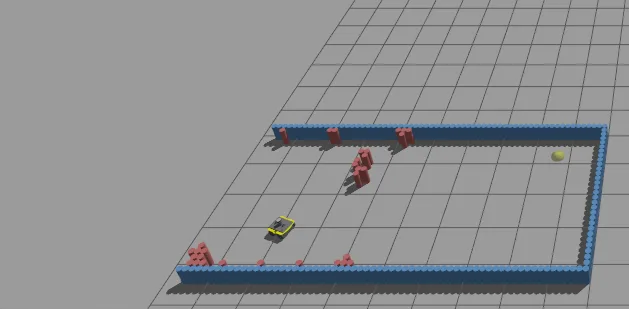
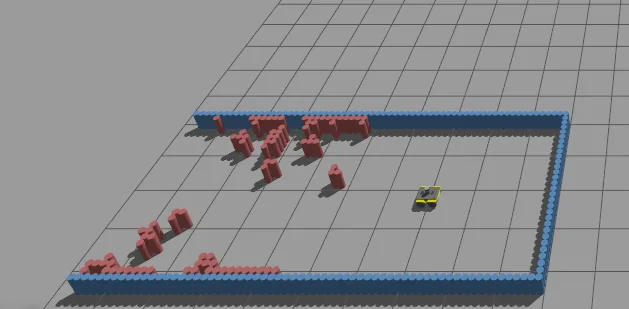
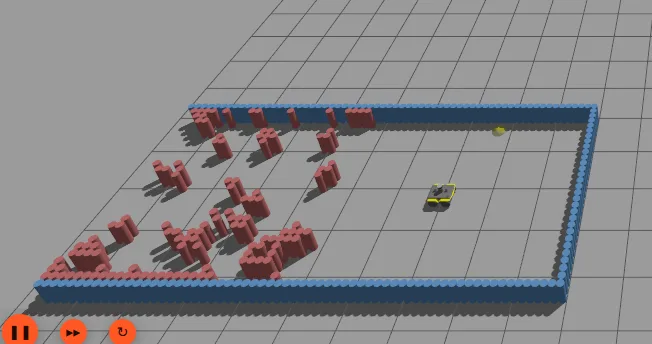
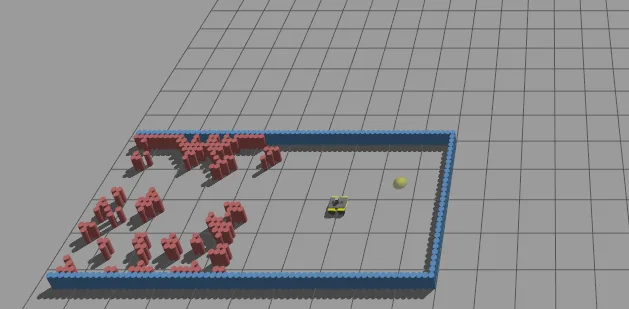
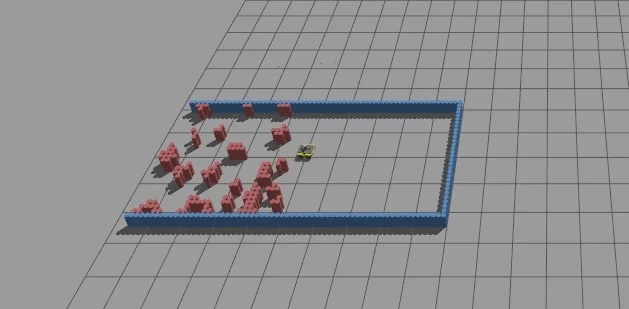
Sim-first research stack behind CERTUS: ZED 2i stereo depth through elevation_mapping_cupy to slope, roughness and uncertainty layers; TOPP-RA (cvxpy) velocity profiles whose limits vary along the path; Isaac Sim 6.0.1 scenes for Clearpath Husky, Jackal and Warthog; a ROS 2 Jazzy container; and a staged, idempotent setup script that pins every dependency by checksum and fails unless it reproduces the reported run.
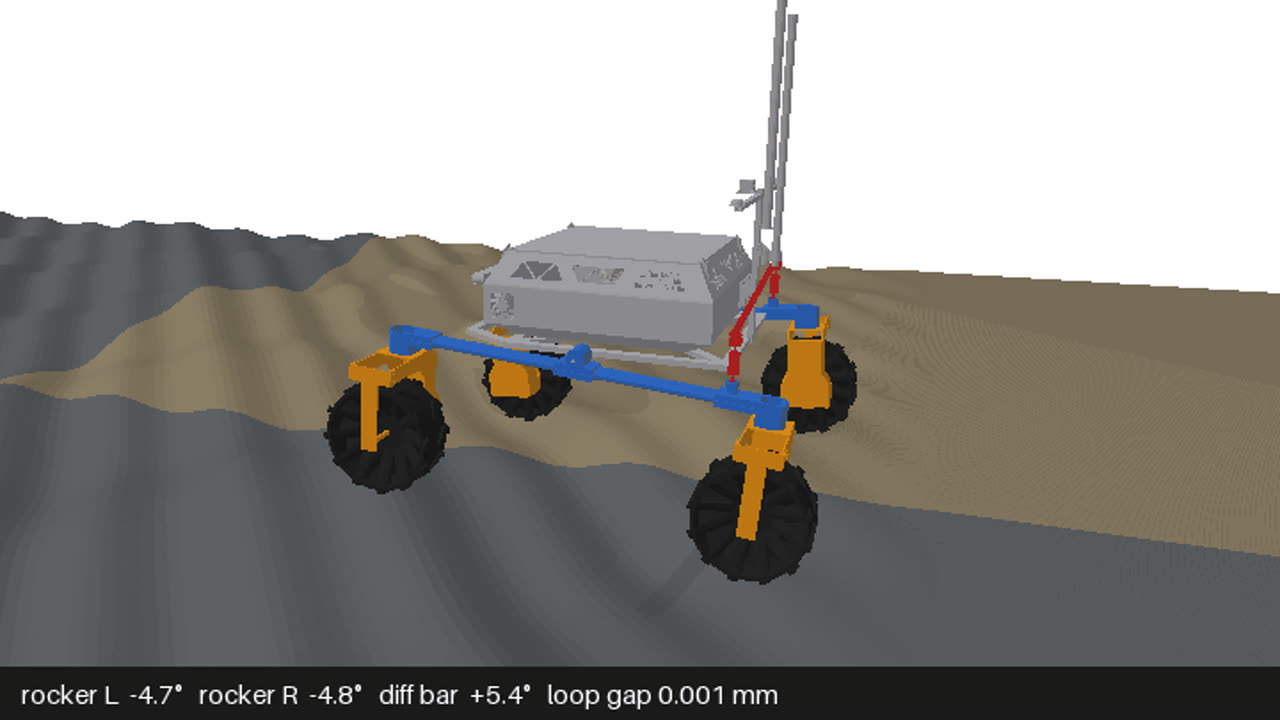
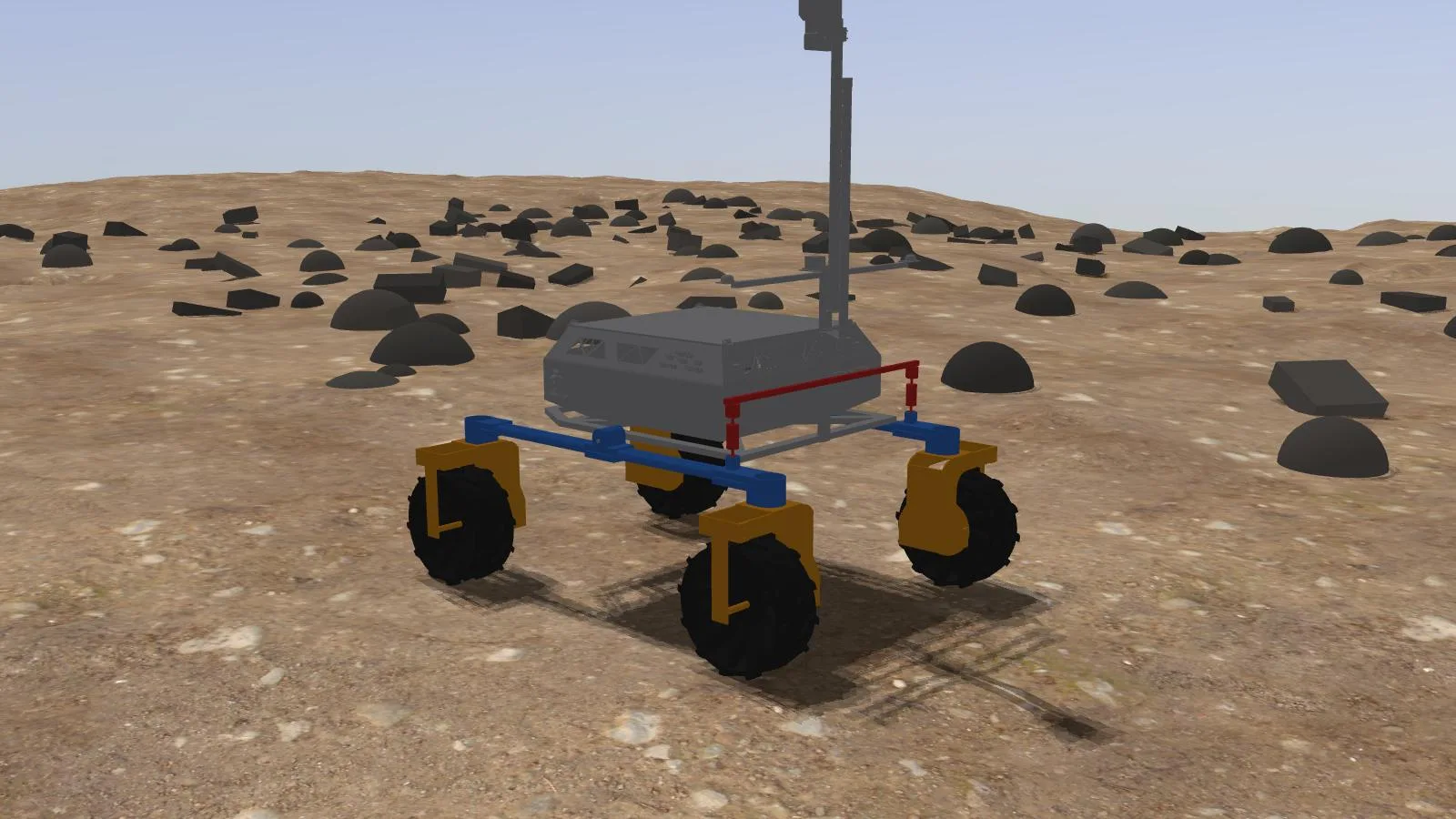
A closed-loop rocker-differential rover taken from Fusion 360 into PyBullet and Gazebo Classic: the loop stays closed to 0.003 mm in PyBullet, dead points found at −21.5° and +40° of rocker travel with ±15° hard stops recommended, skid versus ±90° steering compared on Apollo 15 terrain.


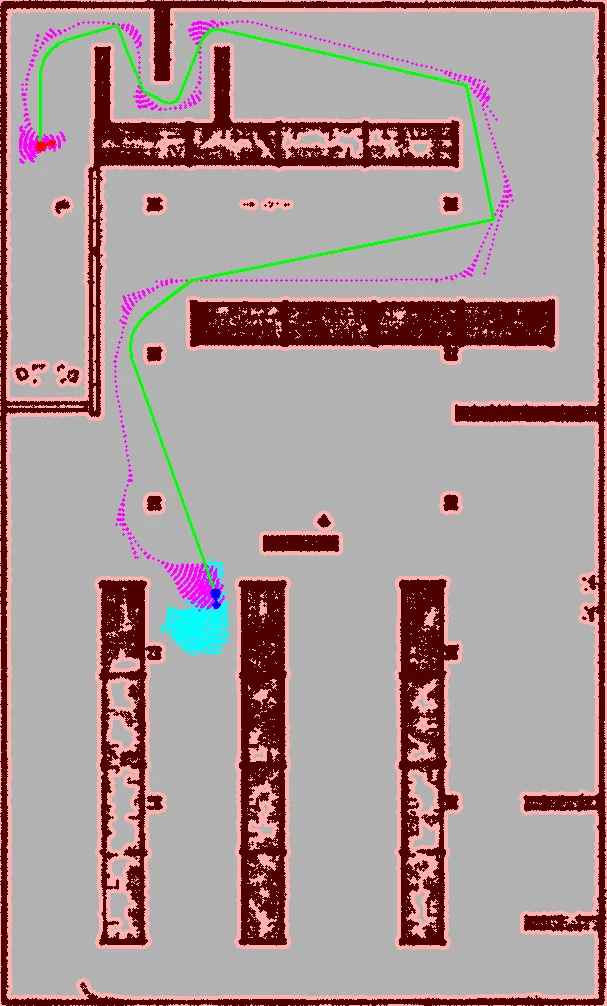
Bidirectional multi-heuristic hybrid A* for Ackermann and differential-drive vehicles: parallel 2-D Dijkstra heuristics in C++17 via pybind11, clearance-aware path simplification and Bézier smoothing that respects the minimum turning radius.
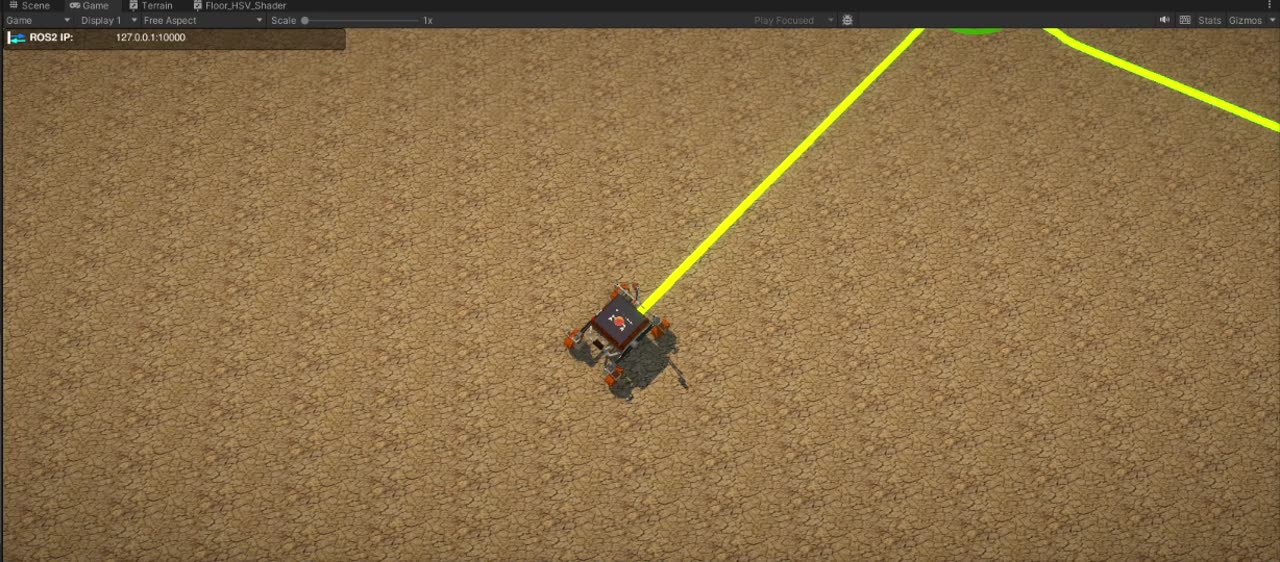
High-fidelity Unity twin of the BRACU Mongol-Tori rover with a MuJoCo physics backend, URDF joints and custom mesh collisions for the rocker-bogie suspension; tied to a ROS 2 workspace so autonomy edge cases are validated virtually before hardware.
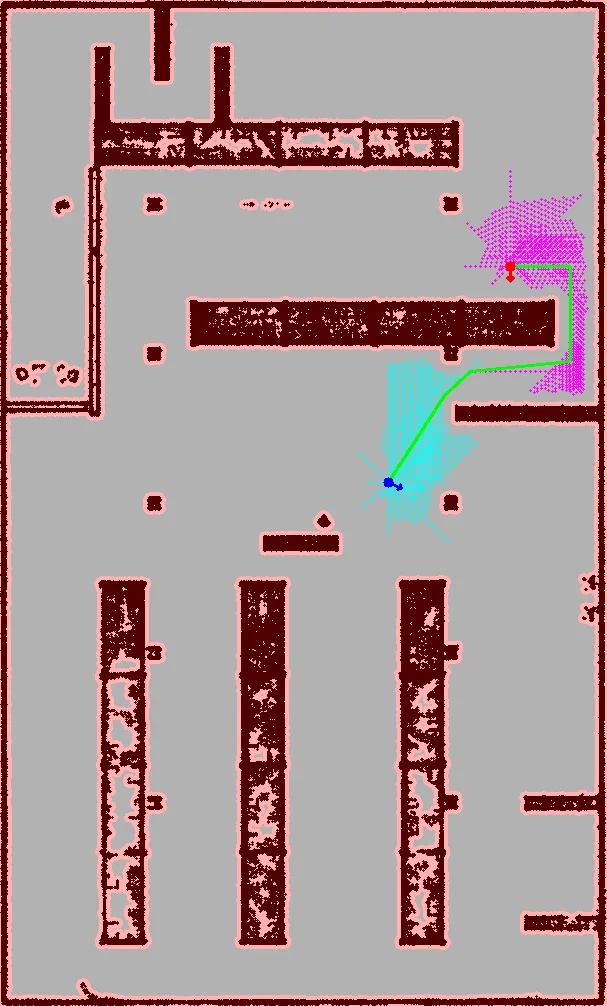
Artificial-potential-field planner over raw LiDAR point clouds that estimates terrain slope and isolates high-risk zones for safe waypoint traversal on rough ground.
Listed by title only: no PDFs, and no figures, from manuscripts under review or in preparation. No author lists for unpublished work.
A rover drives only on ground it has certified: step, slope and body clearance pass with a distribution-free margin on the map's own uncertainty; a decidability rule predicts which depth sensor can certify which rover; when nothing ahead is certified, active perception picks the viewpoint that resolves the most blocking cells per second. Validated in Isaac Sim before deployment on a real rover.
14 h 35 min across 175 scenes from a Livox Mid-360, stereo depth, six RGB cameras and post-processed GNSS/INS, with CNG auto-rickshaws and cycle rickshaws as 3D classes and every metric reported per traffic-density level.
The first collaborative-perception system whose shared representation is event-derived, with a counterfactually supervised, recipient-specific gate deciding what crosses the link; simulation study in Unreal Engine 5.8 / Cosys-AirSim.
Five industrial environment families with seeded layouts, exact label geometry, QC gates and rule-breaking hazard speeds, captured with event and RGB cameras.
The CV and this page say the same things; the CV has the detail.